
Mold Testing in Lexington, MA Following Basement Moisture Concerns
Air Sampling and Indoor Air Quality Evaluation in a 1995 Colonial Home

Mold Testing in Lexington, MA is an important step in evaluating Indoor Air Quality, particularly during seasonal transitions when spring moisture, snow melt, humidity fluctuations, and prior winter water intrusion events can affect basement environments and other enclosed areas within a home. In Massachusetts, finished basements, utility rooms, and below-grade living spaces can experience elevated moisture conditions associated with foundation seepage, condensation, and limited airflow. When homeowners notice musty odors, visible staining, or suspected microbial growth, professional
Mold Testing provides objective information that helps determine whether indoor environmental conditions remain within normal ranges. Homeowners in Lexington, MA and nearby communities often use testing as a practical first step before considering larger remediation or renovation decisions.
Mold Testing in Lexington, MA: Case Study Overview
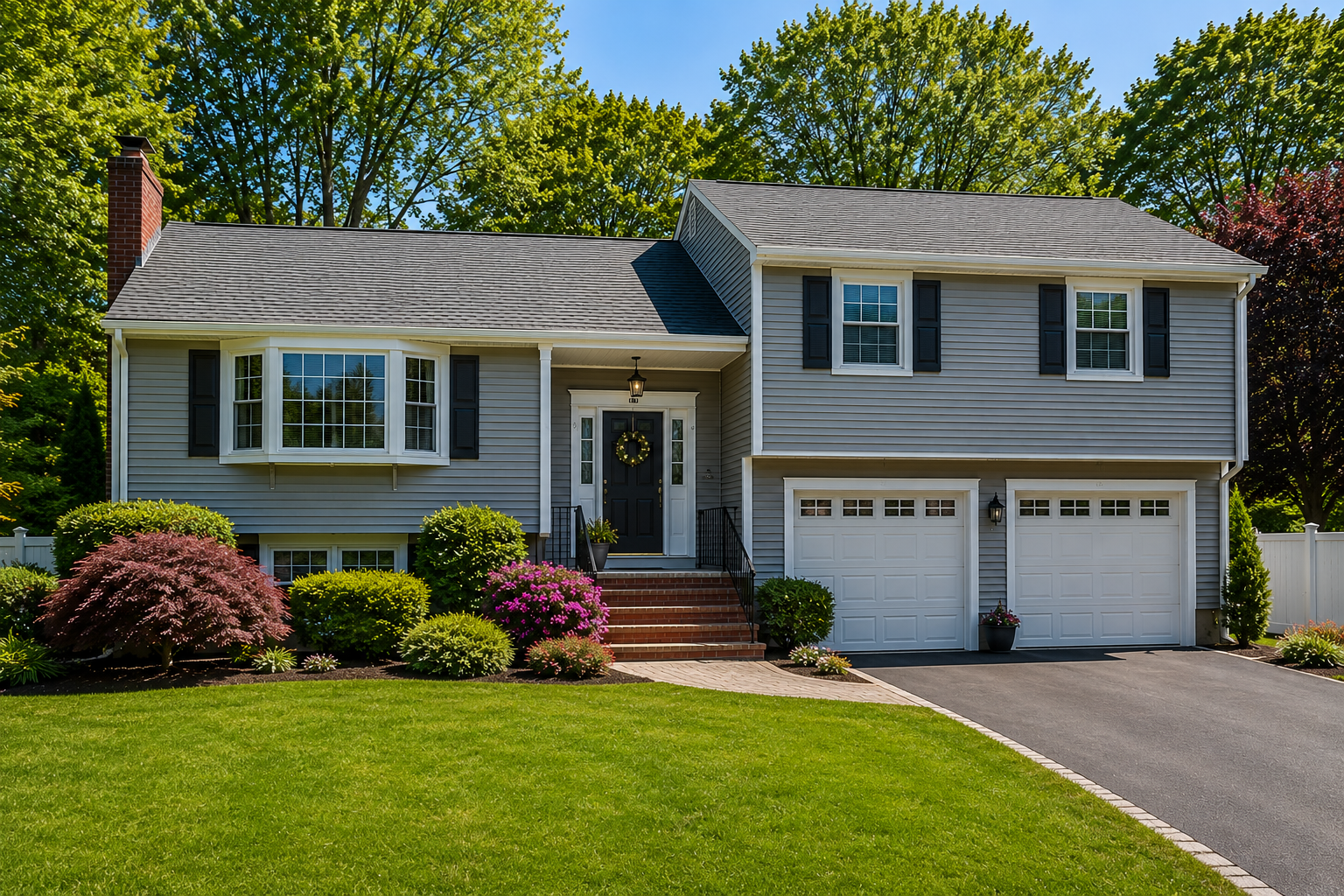
PowerBees Incorporated was contacted earlier this week to conduct a microbial analysis in a Colonial-style single-family home in Lexington, MA. The home was originally constructed in 1995, and the current owners have lived in the property since April 2025. The homeowner expressed concern regarding possible microbial growth in portions of the finished basement following earlier moisture-related events.
According to the homeowner, a possible leak associated with a steam shower unit located within a closet in the basement gym area reportedly occurred prior to the family moving into the home. More recently, the homeowner observed what appeared to be additional microbial growth within that same area. Separate concerns were also reported regarding water seepage through a crack in the foundation wall inside the basement utility room during February 2026. The homeowner also noted seasonal allergy symptoms and wanted to better understand whether basement conditions could be associated with Indoor Air Quality concerns.
The inspection focused primarily on basement-level spaces, including the gym area, the entrance room near the wine cellar, and the utility room. During the exterior review, the property was also evaluated for environmental conditions that could potentially contribute to moisture accumulation around the structure. The home is located adjacent to wooded areas and wetlands, and vegetation was observed growing in close proximity to portions of the siding and foundation. Sections of exterior siding showed deterioration, and the basement window wells did not contain protective covers. These environmental factors can contribute to moisture exposure over time, particularly during wet spring conditions.
Air Sampling and Moisture Evaluation
PowerBees performed four non-viable Air Sampling tests throughout the property. One air sample was collected within the basement gym area, a second sample was collected near the basement wine cellar entrance room, a third sample was collected inside the basement utility room, and a fourth sample was taken outdoors as a control reference. Indoor air testing compares interior spore levels against naturally occurring outdoor conditions to determine whether indoor environments appear consistent with normal environmental ranges.
Within the basement gym area, the humidity measured 48% and the temperature measured 62º F at the time of inspection. A dehumidifier was present and operational. No musty odor was discernible in the gym itself; however, slight musty odors were noted within several adjacent closets where doors had remained closed for extended periods. Minor water staining was observed on carpeting and baseboard materials near the closet entrance. Moisture levels were normal in all materials probed during the Moisture Evaluation. Minor visible gray microbial growth was identified on the lower portion of the door trim, while minor visible brown microbial growth was observed on portions of the baseboard and in isolated areas throughout the finished basement.
The humidity near the wine cellar entrance room measured 49% with a temperature of 62º F. No visible staining, elevated moisture conditions, or visible microbial growth were observed within this area. A musty odor was not discernible during the inspection.
Within the utility room, the humidity measured 47% and the temperature measured 64º F. A dehumidifier was present and operational and configured to drain into a collection bucket positioned on the foundation floor. Slight musty odors were discernible in this area. Water staining and efflorescence were observed on portions of the foundation floor, and a crack was identified within the foundation wall behind the oil tank. Moisture readings remained normal in all surfaces probed despite the prior seepage history. Visible microbial growth was identified on the louvered utility room door.
Outdoor conditions measured 71% humidity with a temperature of 62º F during the inspection. Exterior humidity levels are important because outdoor environmental conditions influence how moisture behaves within below-grade basement environments and finished lower-level living spaces.
Results and Findings
Laboratory analysis indicated that indoor airborne mold spore concentrations were within normal environmental ranges in the basement gym area, utility room, and entrance area near the wine cellar. The indoor spore levels did not appear elevated when compared with exterior baseline conditions collected during the inspection.
These findings are important because visible staining or isolated visible growth does not always indicate elevated airborne conditions throughout the home. Mold Testing provides measurable data that helps distinguish between localized conditions and broader Indoor Air Quality concerns. In this Lexington property, despite the prior water intrusion history and isolated visible conditions, the Air Sampling results showed that airborne spore levels remained normal within the sampled basement spaces.
Because indoor spore counts were not elevated, large-scale remediation was not recommended based solely on the air sampling results. Instead, continued moisture management, monitoring of basement conditions, and maintenance of dehumidification systems were recommended as practical preventative measures. The findings also reinforce the importance of promptly addressing exterior drainage and foundation moisture concerns before they contribute to larger environmental issues.
Understanding Basement Moisture and Indoor Air Quality
Finished basements can experience different environmental conditions than upper living areas due to their proximity to foundation walls, groundwater pressure, and limited natural airflow. Basement moisture in Lexington homes can be associated with seasonal humidity, foundation seepage, condensation, or exterior drainage issues. Even when active water intrusion is not present, enclosed closets and utility spaces may retain humidity longer than other portions of the home.
Many homeowners assume that musty odors automatically indicate elevated airborne mold conditions. However, odors can also be associated with enclosed spaces, stored materials, damp carpeting, or older building materials. Testing for Mold in Lexington helps separate assumptions from measurable conditions by comparing indoor air quality data against outdoor environmental baselines.
Dust accumulation, fibers, pollen, and household particulates may also contribute to indoor environmental concerns. HVAC systems can recirculate these materials throughout finished basement spaces, particularly when airflow is limited or systems operate continuously during seasonal transitions. As part of a comprehensive Indoor Air Quality approach, PowerBees also provides
Air Duct Cleaning in Lexington, MA and
Dryer Vent Cleaning in Lexington, MA for homeowners seeking to improve overall airflow management within the home.
Why Testing Should Come Before Remediation
Professional Mold Inspection should generally occur before major remediation decisions are made. Visible discoloration, historical leaks, or homeowner concerns do not automatically mean that extensive removal work is necessary. Objective Mold Spore Analysis provides homeowners with reliable information that helps guide appropriate next steps.
In this Lexington home, the owners had several legitimate concerns, including prior steam shower leakage, foundation seepage, visible staining, and isolated visible microbial growth. However, despite those observations, the indoor air sample results remained within normal environmental ranges. Without proper Air Sampling and Indoor Air Quality testing, unnecessary demolition or costly remediation work could have been considered prematurely.
Data-driven testing helps homeowners:
• Determine whether airborne mold spore levels are elevated or normal
• Identify which spaces may warrant additional attention
• Document environmental conditions following water events
• Prevent unnecessary remediation expenses
• Support informed maintenance and renovation planning
This structured approach allows homeowners to make practical decisions based on measurable environmental information rather than assumptions alone.
Professional Standards and Certifications
PowerBees Incorporated is certified for both residential and commercial mold assessments throughout Massachusetts. The company follows structured procedures for Mold Testing, Air Sampling, Moisture Evaluation, and Indoor Air Quality assessments designed to provide objective environmental data for homeowners and property managers.
PowerBees Incorporated is also AIHA certified through standards associated with the American Industrial Hygiene Association. These standards support consistent environmental evaluation methods related to airborne particulates, microbial assessment practices, and Indoor Air Quality investigations.
In addition, PowerBees maintains IICRC Applied Microbial Remediation certification. IICRC programs focus on best practices associated with microbial projects, moisture management, containment awareness, and restoration-related procedures.
PowerBees also aligns with standards associated with NADCA, the National Air Duct Cleaners Association. NADCA establishes guidelines related to HVAC cleanliness, airflow management, and source removal practices that support overall Indoor Air Quality. Together, these certifications reinforce a methodical and professional approach to environmental testing and building evaluations.
Local Context: Lexington Homes and Environmental Conditions
Lexington, MA was incorporated in 1713 and contains a wide range of housing stock, including historic homes, expanded Colonials, mid-century properties, and newer custom-built residences from the 1980s and 1990s. Many homes in Lexington include finished basements, utility rooms, and below-grade living spaces that may require periodic monitoring for humidity and moisture conditions. Properties located near wooded areas or wetlands can experience additional environmental moisture exposure, particularly during spring rain events and seasonal snow melt. Homes built during the 1990s often feature finished lower levels and larger HVAC systems, both of which can influence airflow and humidity patterns within basement environments. For that reason, Mold Testing can be a practical component of long-term Indoor Air Quality management for Lexington homeowners.
A Practical Approach to Mold Testing in Lexington, MA
Mold Testing is most effective when used to gather objective information about current indoor environmental conditions. In this Lexington home, professional Air Sampling helped verify that airborne spore levels remained within normal ranges despite prior moisture concerns, visible staining, and isolated areas of observed microbial growth. That information allowed the homeowners to focus on practical moisture management and preventative maintenance rather than unnecessary large-scale remediation.
If you are experiencing concerns related to basement moisture, foundation seepage, musty odors, or prior water intrusion events, professional Mold Testing can help identify and document current conditions. PowerBees provides Mold Testing in Lexington, MA and also serves nearby communities including Bedford, Arlington, and Lincoln. PowerBees also provides mold testing and dryer vent cleaning in surrounding communities including Concord, Burlington, and Winchester. PowerBees provides professional mold testing in Lexington, MA for homes of all ages, including larger Colonial homes with finished basements, utility rooms, and ongoing moisture management concerns.