
Why Mold Testing Is Critical After Basement Leaks and Drying Efforts
What Walpole, MA Homeowners Should Know About Mold Testing
The Importance of Mold Testing in Colonial Style Homes in Walpole, MA
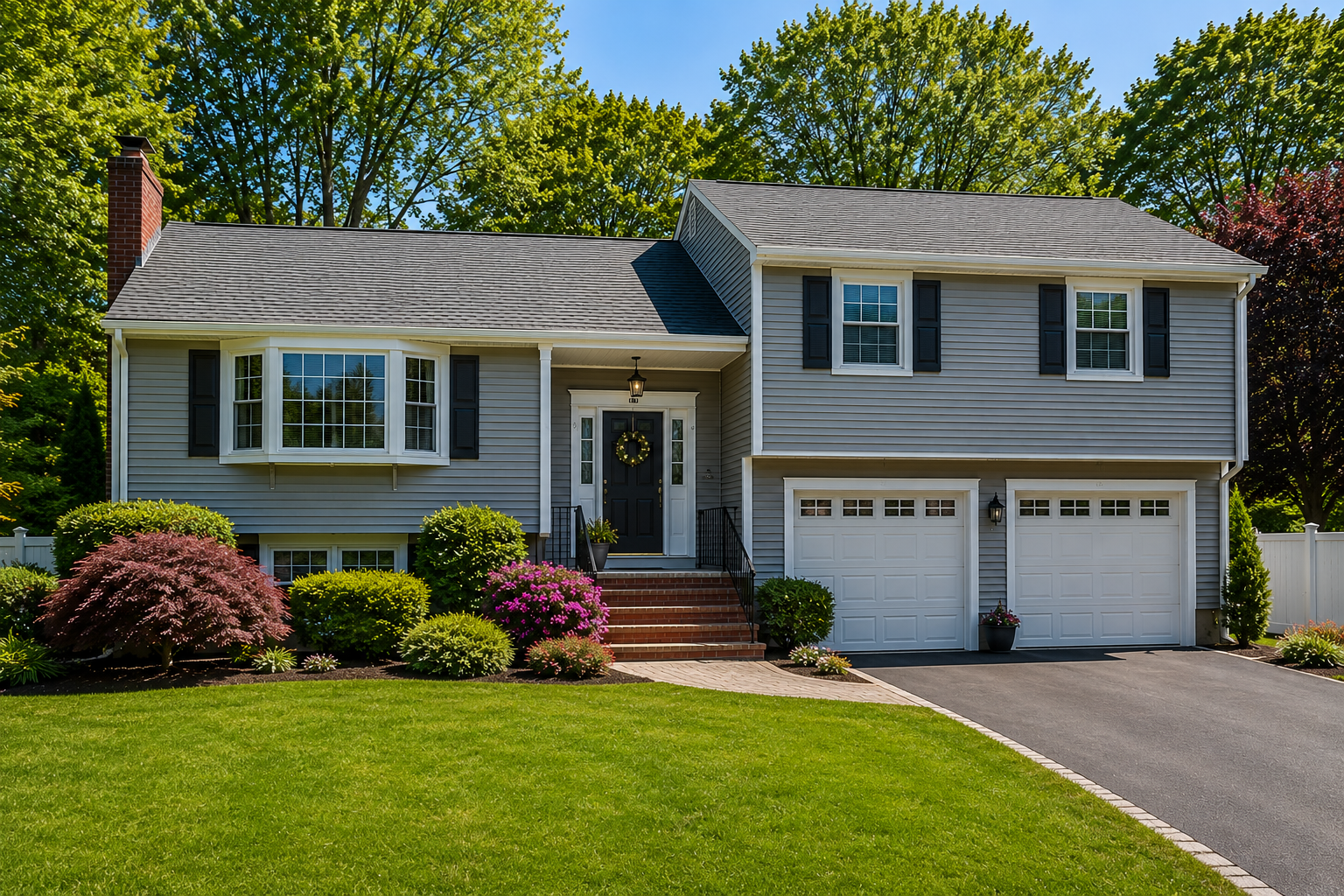
Mold Testing plays an essential role in protecting Indoor Air Quality, particularly in older Colonial style homes throughout Walpole, MA. These homes often have finished basements, bulkhead entrances, and aging building materials that can be vulnerable to moisture intrusion. When water enters a structure—even briefly—it can create conditions that allow mold growth to begin quickly and quietly. Identifying those conditions through professional testing for mold is one of the most effective ways to protect both the structure of the home and the health of its occupants.
A Recent Mold Testing Project in Walpole, MA
PowerBees Incorporated, a leading Indoor Air Quality company, was recently contacted to conduct
Mold Testing in a Colonial style home in
Walpole, MA. The home was built in the 1960s, a period when construction practices did not always account for long-term moisture control in basements and below-grade living areas.
The homeowner and his wife have lived in and owned the property since 2022. On January 8, 2026, the owner noticed a water leak coming through the threshold at the bottom of the steps leading to the bulkhead entrance into the finished basement family room. The issue was identified quickly, and a local water damage restoration company was brought in to begin the drying process immediately.
Water Damage Response and Initial Repairs
The restoration company removed the water-damaged carpet pad and installed drying equipment to reduce moisture levels in the affected area. As a precaution, the lower two feet of sheetrock surrounding the water-damaged bulkhead area were removed. These steps were important in preventing further moisture retention, but visible drying alone does not guarantee that mold growth has been fully avoided.
Because mold spores are microscopic and airborne, they can remain even after materials appear dry. This is why Mold Testing was recommended following the water damage response.
Mold Testing and Air Sample Collection
PowerBees conducted a comprehensive mold assessment that included:
- Two indoor Air Samples
- One outdoor baseline Air Sample
The outdoor sample provided a comparison point to determine whether indoor mold spore levels were elevated beyond what would be expected naturally for this time of year in Walpole, MA. Indoor samples were collected in the finished basement family room and the basement-level utility area. In addition to air sampling, visual observations were made to identify areas where Lift-tape samples might be necessary if remediation progressed.
Lab Results and Findings
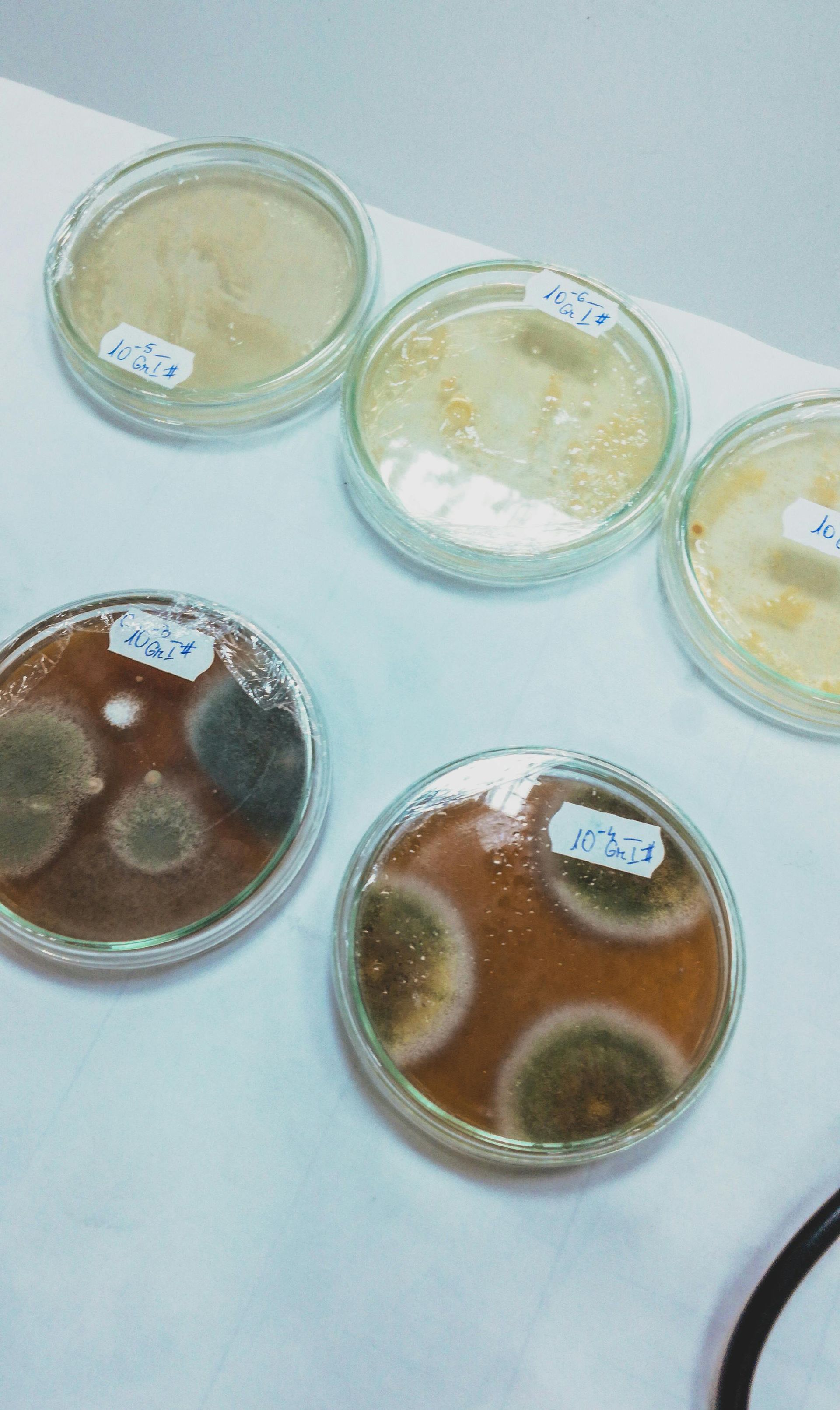
The laboratory results were received on Thursday, and they revealed important findings. The finished basement area showed high levels of Penicillium / Aspergillus spores, which are commonly associated with water intrusion and damp building materials.
In the basement utility room, Cladosporium levels were within normal limits, but they were still significantly higher than the outdoor baseline. This difference is considered abnormal for this time of year, when outdoor spore counts in Massachusetts are typically lower due to colder temperatures. When indoor mold spore levels exceed outdoor levels, it often indicates an indoor amplification source.
At the time of testing, the basement humidity averaged 43%, and the temperature was approximately 62°F. While these conditions are generally acceptable for comfort, mold growth can still occur if materials were previously wet and spores had time to settle and grow before drying was completed.
Why Mold Testing Is So Important
Mold Testing provides data that visual inspections alone cannot. Mold growth does not always produce visible staining or strong odors, especially in early stages. Testing for Mold allows professionals to identify the type and concentration of mold spores present and determine whether remediation is necessary.
In homes with finished basements and HVAC systems that circulate air throughout multiple levels, mold can easily spread from one area to another. Without testing, homeowners may unknowingly continue to breathe contaminated air, affecting overall Indoor Air Quality.
Health Impacts of Common Mold Types
Penicillium
Penicillium is frequently found in water-damaged buildings and can spread quickly through the air. Exposure may contribute to respiratory irritation, sinus congestion, coughing, and allergy-like symptoms. Individuals with asthma or compromised immune systems may be more sensitive.
Aspergillus
Aspergillus is another mold commonly associated with moisture intrusion. It produces very small spores that remain airborne for extended periods. Prolonged exposure can worsen respiratory issues and, in rare cases, lead to more serious health concerns in vulnerable populations.
Stachybotrys
Although not detected in this particular testing, Stachybotrys is often discussed in relation to water damage. It typically grows on materials that remain wet for extended periods. Its presence underscores why Mold Testing should occur promptly after leaks or flooding, even when cleanup seems thorough.
Mold and HVAC Systems
Mold in HVAC systems can significantly impact Indoor Air Quality. When spores enter ductwork or air handlers, they can be distributed throughout the home every time the system operates. Basement HVAC components are especially susceptible following water events. Mold Testing helps determine whether HVAC-related contamination is contributing to elevated spore counts and whether additional cleaning or remediation steps are needed.
Recommended Mold Remediation Approach
Based on the test results, a minor mold remediation process was recommended. The scope included:
- Establishing negative air containment to prevent cross-contamination
- HEPA vacuuming of affected areas to remove settled spores
- Treating impacted surfaces with EPA-registered antimicrobials
This targeted approach is designed to eliminate mold growth while protecting unaffected areas of the home and maintaining safe Indoor Air Quality throughout the process.
Colonial Style Homes and Moisture Risk
Colonial style homes built in the 1960s often feature bulkhead entrances, below-grade living spaces, and older foundation systems. While well-built, these homes can be vulnerable to leaks at thresholds, foundation seams, and older drainage systems. Over time, even minor water intrusion events can create conditions favorable to mold growth if not properly assessed.
A Brief Look at Walpole, MA
Walpole, MA has a long history dating back to the early 1700s and developed as a residential and agricultural community before expanding with suburban growth in the mid-20th century. Many homes built during that era remain in use today, making ongoing attention to Indoor Air Quality and moisture control increasingly important for homeowners.
PowerBees and Indoor Air Quality Expertise
PowerBees Incorporated is a leading Indoor Air Quality company specializing in Mold Testing, Air Samples, and environmental assessments. By using laboratory analysis, industry-standard sampling methods, and clear reporting, PowerBees helps homeowners in Walpole, MA make informed decisions following water damage events.
Mold Testing is not just a reaction to visible damage—it is a proactive step in protecting health, preserving building materials, and ensuring that homes remain safe and comfortable long after repairs are completed.