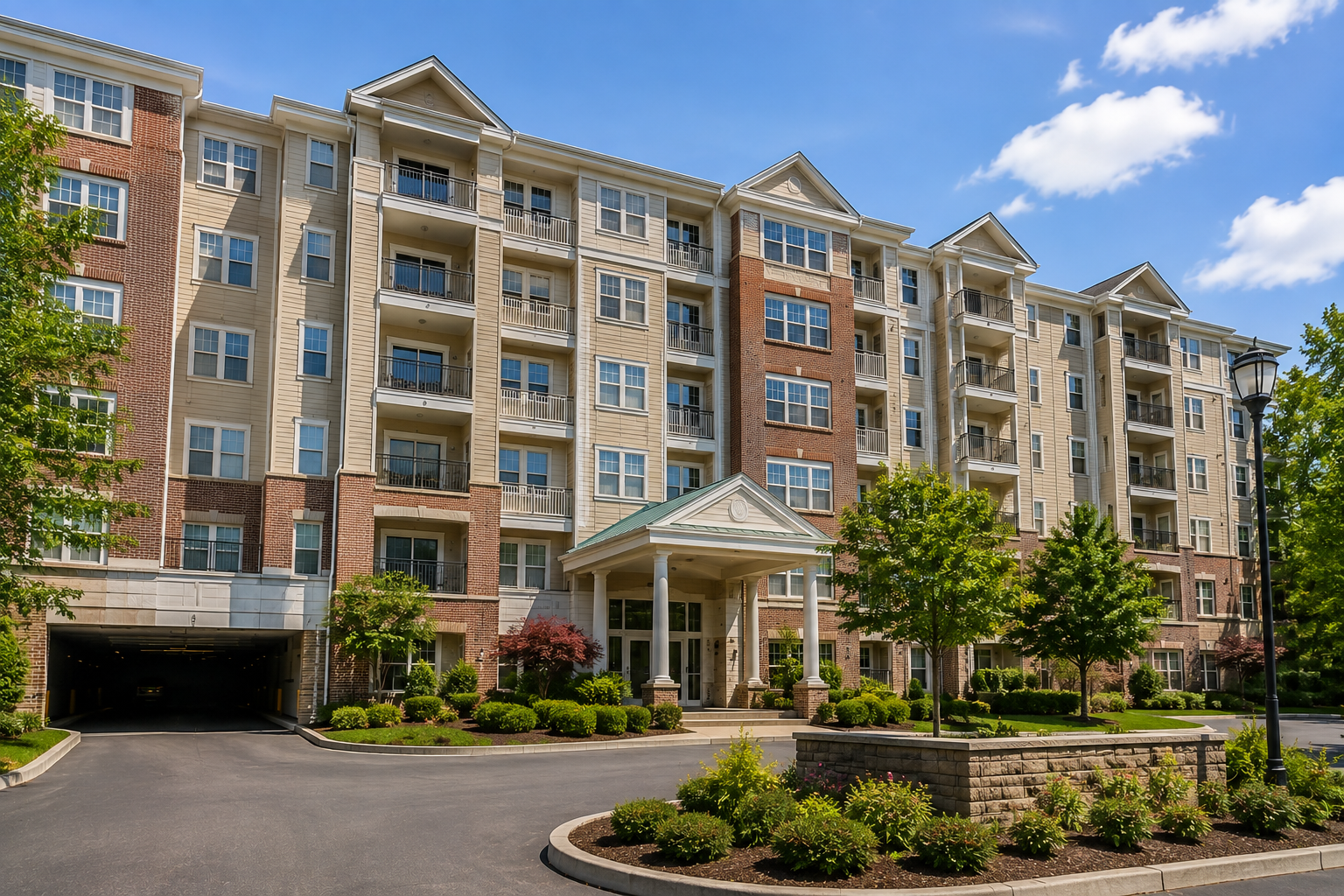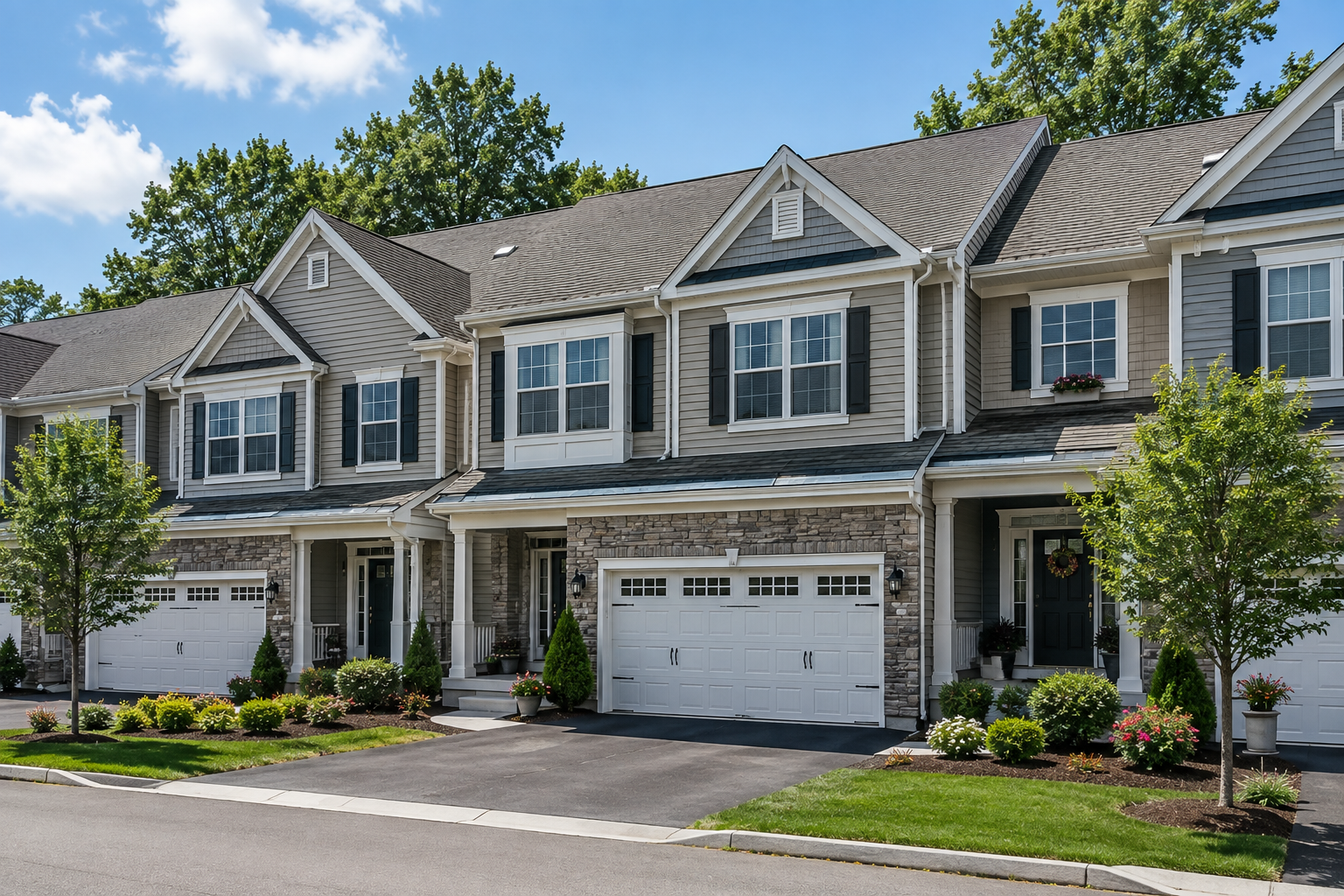

Mold Testing in Wakefield, MA for a Townhouse Condominium with Chronic Moisture Intrusion
Professional Mold Testing in Wakefield, MA uses Air Sampling, Surface Sampling, and Moisture Evaluation to identify environmental conditions and support data-driven remediation decisions
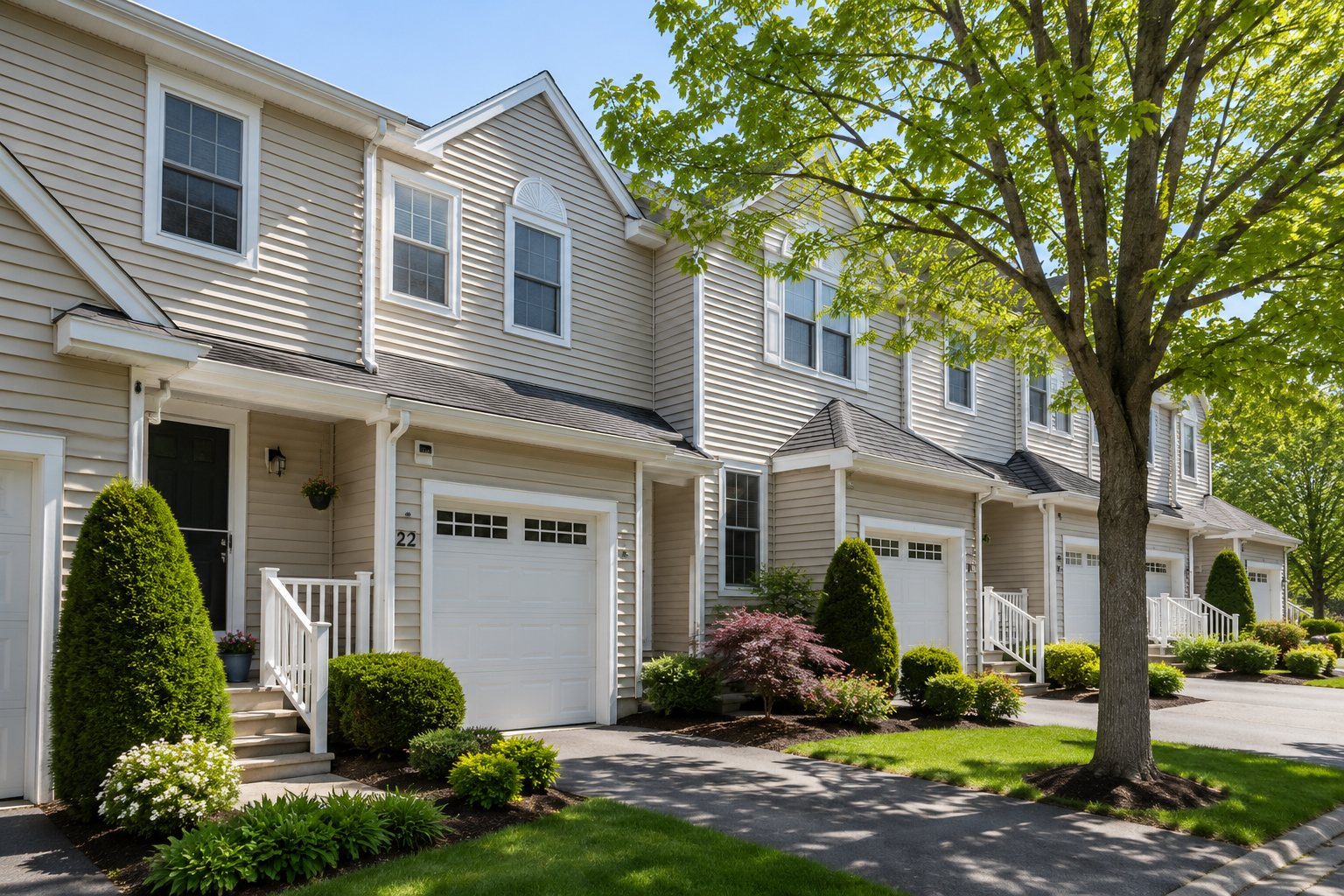
Mold Testing in Wakefield, MA is an important step in evaluating Indoor Air Quality, identifying hidden moisture problems, and helping homeowners make informed decisions before beginning or continuing mold remediation. As spring rainfall, melting snow, and rising humidity affect homes throughout Massachusetts, moisture intrusion can become more noticeable within finished basements and lower-level living spaces. Homeowners in Wakefield, MA and nearby communities often schedule professional Mold Testing after water intrusion, musty odors, or previous remediation work to obtain objective laboratory data before additional repairs are completed.
Mold Testing in Wakefield, MA: Recent Project in a 1984 Townhouse Condominium
PowerBees Incorporated recently performed Mold Testing in Wakefield, MA within a townhouse condominium originally constructed in 1984. The current owner purchased the property in October 2023 and soon began investigating moisture-related concerns affecting portions of the finished lower level.
This project represented the continuation of an ongoing environmental evaluation rather than an initial inspection. PowerBees had previously conducted a microbial assessment of the property in August 2025 after the homeowner reported moisture concerns within several lower-level rooms. During that earlier evaluation, indoor airborne mold spore concentrations were found to be within normal limits; however, elevated moisture readings were identified within multiple lower-level wall assemblies. Based upon those findings, exploratory demolition was recommended to determine whether concealed building materials had been affected by chronic water intrusion.
Following demolition in September 2025, significant hidden damage was reportedly discovered inside several exterior wall cavities. According to the homeowner, mold growth, deteriorated plywood sheathing, water-damaged framing, wet insulation, and damaged carpeting were identified within the lower-level primary bedroom, guest bedroom, and laundry room. Portions of drywall, insulation, carpet, and carpet pad were removed as part of the remediation process. The exposed framing and sheathing were reportedly cleaned, HEPA vacuumed, and encapsulated before reconstruction efforts began.
Additional waterproofing improvements, structural repairs, and replacement of deteriorated exterior plywood sheathing continued through April 2026. During further wall removal performed in March 2026, additional areas of water-damaged sheathing and visible mold staining were reportedly identified behind remaining wall finishes. Because moisture concerns continued despite previous repairs, the project engineer recommended additional microbial testing before reconstruction proceeded.
PowerBees returned to perform a comprehensive environmental assessment designed to evaluate current airborne mold spore concentrations and determine whether additional remediation remained necessary.
Air Sampling, Moisture Evaluation, and Environmental Assessment
Professional Air Sampling provides objective information regarding airborne mold spores present within occupied indoor environments. Rather than relying solely on visual observations, laboratory analysis helps determine whether indoor airborne mold concentrations differ from expected environmental conditions.
For this evaluation, PowerBees collected four non-viable indoor air samples from representative areas throughout the condominium together with two surface samples obtained from exposed structural building materials within areas affected by previous moisture intrusion.
Particular attention was directed toward the lower-level primary bedroom and utility room because these locations had experienced repeated water intrusion during previous investigations. Exposed framing, sheathing, and remaining wall assemblies were visually evaluated as part of the inspection, while moisture-related conditions documented during prior assessments were reviewed in conjunction with current observations.
As with all professional microbial investigations, laboratory analysis compared the airborne particulate profile from each indoor sample to determine whether abnormal mold spore conditions existed within occupied portions of the home. This process provides measurable environmental data that assists homeowners, contractors, engineers, and remediation professionals when making informed decisions regarding additional corrective work.
Unlike visual inspections alone, laboratory-based
Mold Spore Analysis helps distinguish between ordinary background airborne spores and elevated conditions associated with active moisture problems.
Laboratory Results and Findings
Laboratory analysis identified several findings requiring additional attention.
Airborne mold spore concentrations within portions of the home remained generally consistent with expected indoor environmental conditions; however, elevated airborne
Stachybotrys spores were identified within the lower-level utility room.
Laboratory analysis also detected a raw count of
Stachybotrys spores within the primary bedroom air sample.
Surface sampling further identified active Penicillium/Aspergillus fungal colonization on exposed framing and plywood sheathing within the primary bedroom wall assembly.
When considered together with the documented history of water intrusion, previous demolition findings, and ongoing structural repairs, the laboratory results indicated that chronic moisture intrusion remained associated with portions of the affected exterior wall assemblies.
Based upon these objective laboratory findings, PowerBees recommended additional mold remediation within both the lower-level primary bedroom and utility room.
Recommendations included removing the remaining sheetrock from the rear wall of the primary bedroom, removing all remaining sheetrock and contents from the utility room, and completing remediation activities within a properly managed containment environment utilizing controlled airflow and dehumidification. Following demolition, all exposed framing and sheathing should be thoroughly HEPA vacuumed, treated using an EPA-registered antimicrobial product, and encapsulated with an EPA-registered encapsulant before reconstruction begins.
These recommendations were based upon documented laboratory data together with observed building conditions rather than assumptions.
Understanding Basement Moisture and Indoor Air Quality
Lower-level living spaces often experience different environmental conditions than upper floors of a home. Foundation walls remain in constant contact with surrounding soil, making basements and lower-level finished rooms more susceptible to moisture intrusion caused by groundwater movement, exterior drainage deficiencies, foundation cracks, or seasonal weather patterns.
Spring rainfall, snowmelt, and elevated outdoor humidity can further increase moisture loads within below-grade structures throughout Massachusetts. When moisture enters concealed wall cavities and remains undetected for extended periods, building materials may support fungal growth if sufficient moisture remains available.
Not every musty odor or visible discoloration indicates an active mold problem. Likewise, dust accumulation should not automatically be interpreted as microbial contamination. Professional
Indoor air testing provides measurable environmental information that helps distinguish ordinary household dust from conditions requiring additional investigation.
In projects involving finished basements or lower-level bedrooms,
Bedroom Air Testing can be particularly valuable because these areas are frequently occupied for extended periods and may not exhibit obvious signs of concealed moisture damage until deterioration becomes more advanced.
Why Mold Testing Should Come Before Additional Remediation
Professional Mold Testing provides objective environmental information before expensive demolition or remediation decisions are made.
Some properties with visible staining ultimately produce laboratory results showing normal airborne mold concentrations and no indication that extensive remediation is necessary. Other homes, like this Wakefield townhouse, demonstrate that concealed moisture conditions may continue despite previous repairs, making additional corrective work appropriate.
Testing allows homeowners to prioritize repairs based upon documented evidence rather than speculation.
Data-driven investigations also help engineers, contractors, remediation companies, and homeowners coordinate repair strategies using measurable environmental information rather than relying solely upon visual appearance.
By identifying the specific locations where elevated airborne spores or active fungal growth remain present, remediation efforts can be more accurately focused on affected building assemblies while avoiding unnecessary removal of unaffected materials.
Professional Standards and Industry Certifications
PowerBees Incorporated specializes in residential and commercial Mold Testing, Air Sampling, Air Duct Cleaning, Dryer Vent Cleaning, and Indoor Air Quality evaluations throughout Massachusetts.
The company maintains certifications for both residential and commercial microbial assessments and follows structured inspection procedures designed to produce objective environmental data.
PowerBees is certified through the
American Industrial Hygiene Association (AIHA), supporting professional Indoor Air Quality investigations and scientifically based environmental assessment methodologies.
The company also maintains
IICRC Applied Microbial Remediation certification, providing expertise regarding moisture-related building conditions, remediation principles, and accepted restoration practices.
In addition, PowerBees maintains membership with NADCA, the National Air Duct Cleaners Association, whose recognized standards support HVAC inspection, source-removal cleaning methods, and ventilation system maintenance. These certifications reinforce structured testing procedures, documented observations, and professional recommendations supported by laboratory analysis rather than assumptions.
PowerBees also provides
Air Duct Cleaning in Wakefield, MA for homeowners seeking to reduce accumulated dust within HVAC systems and improve overall Indoor Air Quality.
Local Context: Wakefield Homes and Moisture Considerations
Wakefield was incorporated in 1812 and includes a diverse mix of Victorian homes, Colonials, Cape-style residences, mid-century neighborhoods, condominiums, and more recent residential developments. Many homes have undergone renovations that introduced finished basements, updated mechanical systems, and modern insulation while retaining portions of their original construction. Properties with below-grade living spaces, aging foundation systems, or previous renovations may benefit from periodic moisture evaluations following significant weather events or plumbing leaks. Routine environmental assessments help homeowners better understand changing Indoor Air Quality conditions as homes continue to age.
Supporting Indoor Air Quality Through Objective Environmental Testing
Professional Mold Testing provides valuable information when moisture concerns, previous remediation, or ongoing water intrusion create uncertainty about indoor environmental conditions. This Wakefield townhouse demonstrated how laboratory testing can confirm whether additional remediation remains necessary even after substantial repairs have already been completed. By combining air sampling, surface sampling, documented observations, and laboratory analysis, homeowners receive objective information that supports informed decisions regarding future repairs while helping protect Indoor Air Quality.
If you are experiencing concerns related to moisture intrusion, musty odors, previous water damage, or suspected microbial growth, professional Mold Testing can help identify environmental conditions through objective laboratory analysis. PowerBees provides
Mold Testing in Wakefield, MA and also serves nearby communities including Reading, Lynnfield, and Melrose.
PowerBees also provides
Dryer Vent Cleaning in Wakefield, MA and related services throughout surrounding communities including Winchester, Reading, Woburn and Stoneham. We regularly work throughout the Greater Boston area, helping homeowners and businesses maintain healthy indoor environments.
PowerBees provides professional Mold Testing in Wakefield, MA for homes of all ages, including condominiums, finished basements, and properties with complex moisture histories, delivering objective environmental assessments, laboratory-supported recommendations, and Indoor Air Quality evaluations that help homeowners make informed decisions before reconstruction or remediation moves forward.