
Air Duct Cleaning in Cambridge, MA for a Late 1800s Home with Four HVAC Systems
Removing Dust and Dog Hair from 51 Supply Vents and 14 Returns to Improve Airflow and Indoor Air Quality
Air Duct Cleaning in Cambridge, MA for Large Historic Residential Homes
Air Duct Cleaning in
Cambridge, MA is an important component of maintaining Indoor Air Quality, particularly in older homes with complex HVAC systems and long-standing ductwork. In properties throughout
Cambridge, Massachusetts, heating and cooling systems operate year-round, circulating air through supply and return ducts that can accumulate dust, debris, and other particulates over time.
Seasonal conditions also influence indoor environments. During the spring, pollen levels increase and can enter homes through natural ventilation and daily activity. In colder months, HVAC systems run more frequently while homes remain closed, which can lead to recirculation of airborne particles. These conditions make periodic HVAC ductwork cleaning a practical step for maintaining consistent Indoor Air Quality.
PowerBees, a leading Indoor Air Quality company specializing in Air Duct Cleaning, Dryer Vent Cleaning, and Mold Testing in Massachusetts, provides structured cleaning services designed to remove accumulated debris and support HVAC system efficiency.
Case Study: Air Duct Cleaning in Cambridge, MA on Brattle Street
PowerBees recently completed
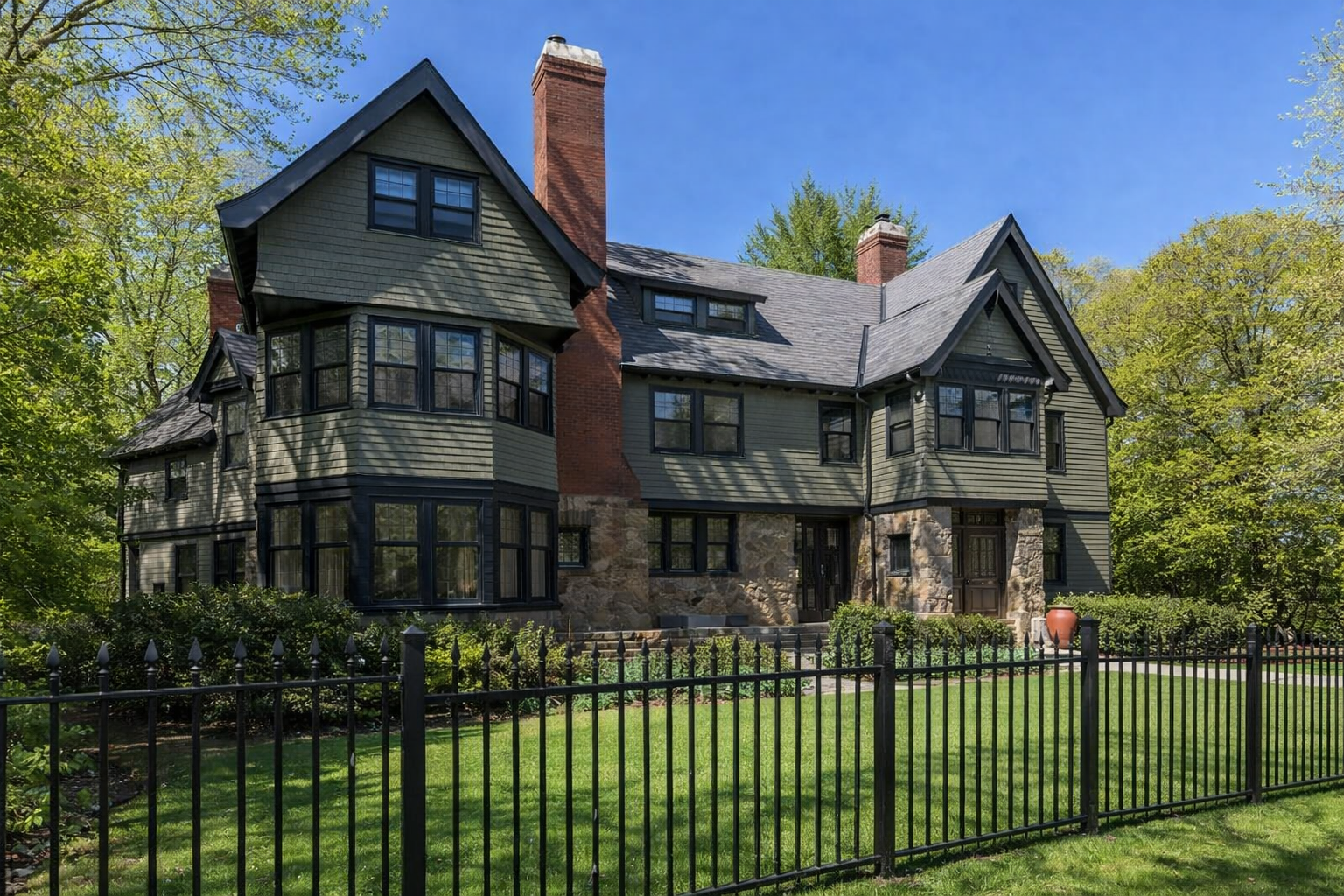
Air Duct Cleaning in Cambridge, MA at a five-bedroom home originally constructed in the late 1800s and located on Brattle Street. Homes of this era often include multiple renovations and system updates over time, resulting in complex HVAC configurations.
Home Characteristics and HVAC Layout
This property included:
- Four HVAC systems total
- Two systems located in the basement
- Two systems located in the attic
- A total of 51 supply vents and 14 return vents
- Decorative cast metal registers in several rooms
The presence of
multiple HVAC systems allowed the home to be divided into separate heating and cooling zones, but also increased the total amount of ductwork requiring maintenance.
Ductwork Condition and Access
The basement contained
two sets of supply and return trunk lines, each equipped with access panels. These panels indicated that the ductwork had likely been cleaned at some point in the past, but not within recent years.
During inspection and cleaning,
dust accumulation in ductwork was observed throughout the system. This included:
- Excessive dust and dog hair in all four trunk lines
- Significant buildup within all 14 return ducts
Return ducts, in particular, tend to accumulate higher levels of debris because they draw air back into the system from living spaces.
Attic Air Handler Observations
Both attic HVAC systems were evaluated during the cleaning process. A small amount of microbial growth was observed within the two attic air handlers. Based on these findings, the homeowner requested further evaluation, and PowerBees recommended targeted
Mold Testing in Cambridge to assess airborne conditions in the air handlers and adjacent bedrooms.
Due to the age and condition of the systems, PowerBees recommended replacement of the attic air handlers. In many cases, attempting to fully remediate microbial growth within HVAC systems can be impractical, as it may require removal and cleaning of all internal components. Replacement can be a more efficient long-term solution when systems are at the end of their service life.
Additional Ventilation Services
In addition to Air Duct Cleaning, PowerBees performed:
- Dryer Vent Cleaning in Cambridge for both a second-level stackable unit and a basement dryer
- Cleaning of both dryer vent exhaust systems, which contained excessive lint buildup
Addressing these systems as part of a comprehensive service helps support overall Indoor Air Quality and ventilation performance throughout the home.
How Airborne Particles Enter and Circulate Within Homes
Indoor Air Quality is influenced by both indoor activities and outdoor environmental conditions. Airborne particles can enter homes through:
- Open windows and doors
- Foot traffic and clothing
- Small air leaks around building materials
Once inside, these particles are drawn into HVAC systems through return ducts and redistributed throughout the home.
HVAC Air Recirculation
Heating and cooling systems are designed to circulate air repeatedly. While filters capture a portion of airborne particles, some materials settle within ductwork over time. This can lead to gradual accumulation of dust, pet dander, and other debris.
Attic HVAC Systems and Airflow Considerations
In this Cambridge home, two HVAC systems were located in the attic. Attic environments may contain insulation fibers, dust, and other particulates that can enter duct systems if connections are not fully sealed.
Attic HVAC system cleaning helps address these potential sources by removing debris and maintaining proper airflow. When air handlers are located in attic spaces, regular maintenance becomes particularly important.
Basement HVAC Systems
The home also included
basement HVAC systems, which can draw air from lower levels where storage and mechanical equipment are located. These areas may contribute to airborne dust, making cleaning of return ducts and trunk lines an important step in maintaining balanced airflow.
Air Duct Cleaning After Renovation and Homeownership Changes
Older homes, especially those that have been renovated multiple times, often benefit from periodic cleaning. Even when renovations are carefully managed,
construction dust in HVAC systems can accumulate over time.
Post-Construction Duct Cleaning
Post-construction duct cleaning helps remove residual materials such as:
- Drywall dust
- Wood particles
- General construction debris
In homes like this late 1800s property, where multiple updates have occurred over decades, it is common for duct systems to contain layers of accumulated debris.
New Homeowner Air Duct Cleaning
New homeowners may not have detailed knowledge of previous HVAC maintenance. Scheduling
residential duct cleaning in Cambridge provides a baseline for system performance and Indoor Air Quality.
Even when access panels indicate prior cleaning, it is important to recognize that duct systems can accumulate debris again over time, especially in homes with pets or high occupancy.
Professional Standards and NADCA Guidelines
Professional Air Duct Cleaning should follow established industry standards. PowerBees adheres to guidelines set by the
National Air Duct Cleaners Association (NADCA), which defines best practices for HVAC system cleaning.
NADCA standards address:
- Inspection procedures
- Proper cleaning techniques
- Equipment requirements
- Containment and debris removal methods
As a NADCA member, PowerBees performs cleaning using structured processes designed to:
- Remove dust and debris without dispersing it into the living space
- Access all components of the HVAC system, including trunk lines and returns
- Restore systems to proper working condition after cleaning
PowerBees applies consistent methods across all projects, including homes with complex duct layouts and multiple HVAC systems.
Local Context: Housing and HVAC Systems in Cambridge
Cambridge was incorporated in 1846 and includes a diverse range of residential properties, from nineteenth-century homes to modern multi-unit buildings. Many older homes, particularly those built in the late 1800s, have undergone extensive renovations and system upgrades over time.
These properties often include:
- Multiple HVAC systems serving different zones
- Long and complex duct runs
- A combination of original and updated building materials
Because of these characteristics,
vent cleaning in Cambridge frequently involves addressing older duct systems that have been modified or expanded over time.
Maintaining Indoor Air Quality and HVAC System Performance
Air Duct Cleaning in Cambridge, MA supports the removal of accumulated dust, debris, and other particulates from HVAC systems. In homes with multiple HVAC systems, attic air handlers, and long-standing ductwork, periodic cleaning can help maintain airflow and system efficiency.
By addressing dust accumulation in ductwork, cleaning return and supply pathways, and evaluating associated ventilation systems, structured cleaning helps support consistent Indoor Air Quality throughout the home.
PowerBees continues to provide Air Duct Cleaning in Cambridge, MA as part of its broader Indoor Air Quality services across Massachusetts. Through detailed inspection, adherence to NADCA standards, and experience with complex residential systems, PowerBees supports homeowners in maintaining functional and efficient HVAC systems.