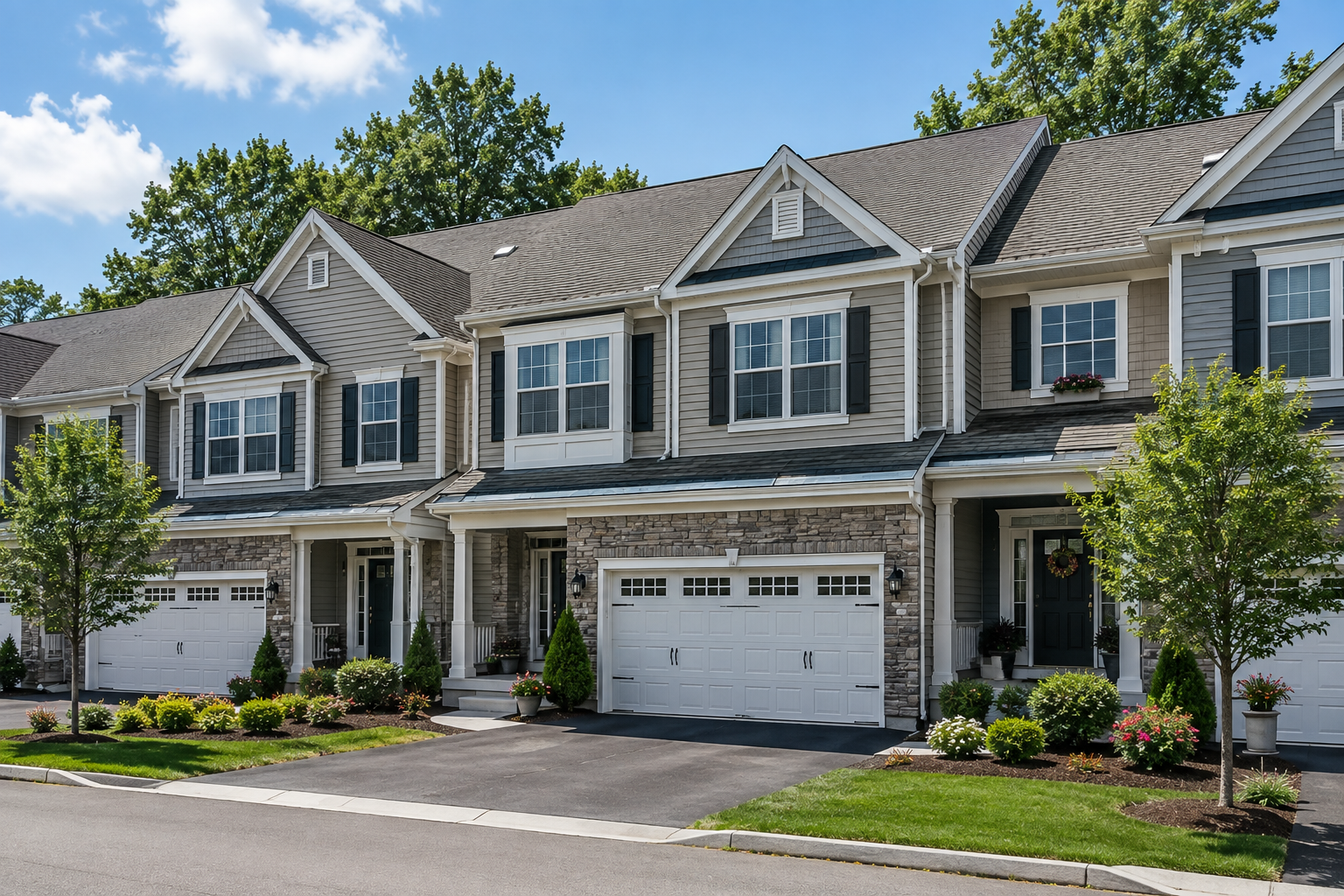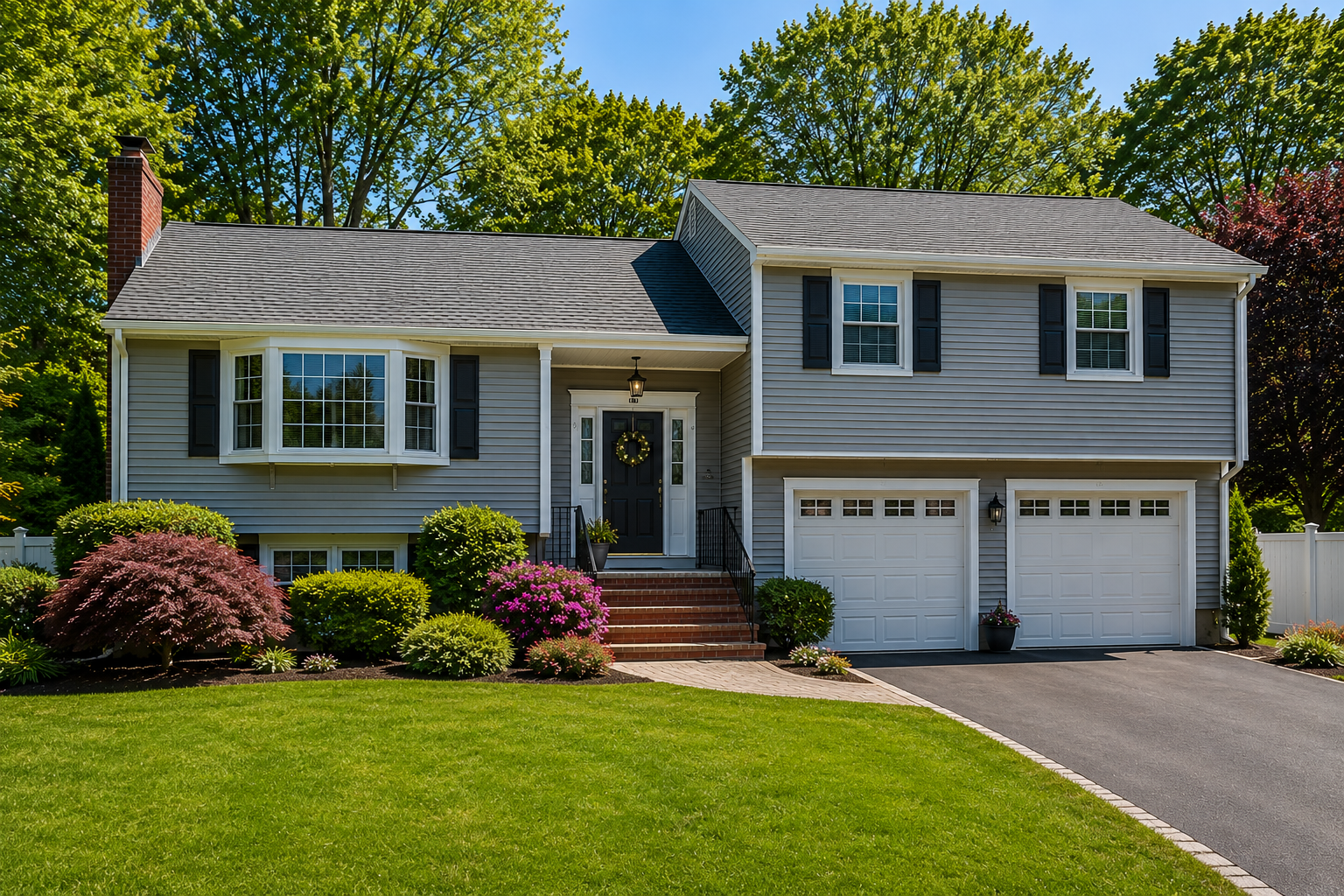

Dryer Vent Cleaning in Cambridge, MA for a Two-Family Home with a Long Second-Level Vent System
Removing Lint Blockages and Restoring Airflow in a Stackable Dryer Vent Exhaust with Multiple Turns

Dryer Vent Cleaning in Cambridge, MA for Two-Family Residential Homes
Dryer Vent Cleaning in
Cambridge, MA is an important part of maintaining Indoor Air Quality, proper dryer performance, and safe operation of residential dryer vent exhaust systems. In multi-unit and two-family homes throughout
Cambridge, Massachusetts, dryer vent configurations can vary significantly depending on layout, age of construction, and renovation history. These variations can influence how lint accumulates and how effectively air is exhausted from the system.
Seasonal conditions also play a role. During colder months, dryers are used more frequently, while in the spring, pollen and other airborne particles increase. These factors can contribute to overall Indoor Air Quality conditions and highlight the importance of maintaining ventilation systems, including dryer vents.
PowerBees, a leading Indoor Air Quality company specializing in Dryer Vent Cleaning, Air Duct Cleaning, and Mold Testing in Massachusetts, provides structured cleaning services designed to improve airflow and reduce lint accumulation within residential systems.
Case Study: Dryer Vent Cleaning in Cambridge, MA for a Two-Family Home
PowerBees Incorporated recently completed
Dryer Vent Cleaning in Cambridge, MA at a two-family residential property with a
top-bottom unit layout. These types of properties are common in Cambridge and often include separate dryer systems serving each unit.
Property Layout and Dryer Locations
The building included:
- One side-by-side dryer located in a walk-out basement serving the first-floor unit
- One stackable dryer located in a tight closet on the second level
Each unit had its own dedicated
residential dryer vent exhaust, with separate vent pathways leading to the exterior.
Second-Level Dryer Vent Configuration
The second-level dryer vent presented additional complexity. The exhaust path extended from the middle of the floorplan to the rear exterior wall, requiring multiple directional turns before terminating outside.
This type of configuration can be described as a
long dryer vent exhaust, where airflow must travel through bends and extended duct runs before exiting the home.
Exterior Access and OSHA Compliance
The exterior termination for the second-level dryer vent was located at a height that required the use of a
30-foot ladder. To safely access and clean the vent termination flap, two technicians were required.
PowerBees follows structured safety procedures, including
OSHA-compliant practices, to ensure that all work is performed safely, particularly when accessing elevated exterior vent terminations.
Lint Accumulation and Blockages
During inspection and cleaning, a significant amount of
lint buildup in the dryer vent was identified within the second-level system. Two separate blockages were found along the exhaust pathway.
These blockages had restricted airflow to the extent that the stackable dryer had stopped operating properly. Once the vent was cleaned and airflow was restored, the system was able to function as intended.
The basement dryer vent also contained lint accumulation, though it was more accessible and did not present the same level of restriction as the second-level system.
Understanding Lint Buildup and Dryer Vent Performance
Lint is produced as clothing fibers break down during the drying process. These fibers are carried through the dryer and into the vent system. Over time, lint can accumulate along the interior walls of the duct, particularly in areas with:
- Multiple turns or elbows
- Longer horizontal runs
- Changes in direction
Long Dryer Vent Exhaust Challenges
In this Cambridge home, the second-level dryer vent included several turns, which can slow airflow and allow lint to settle more easily. In
long dryer vent exhaust systems, airflow resistance increases, making routine cleaning more important.
Reduced Airflow and System Performance
When lint accumulates within the vent:
- Airflow is reduced
- Drying times may increase
- The dryer may operate at higher internal temperatures
These conditions can contribute to
longer drying times and reduced system performance. In some cases, as seen in this project, airflow restriction can cause the dryer to stop functioning.
Energy Inefficiency
Restricted airflow can also lead to
energy inefficiency, as dryers must run longer cycles to achieve the same results. Maintaining a clean vent system supports more efficient operation.
Dryer Vent Fire Risk
Lint is a combustible material. When it accumulates within a vent system, particularly near heat sources, it can contribute to a
dryer vent fire risk. While not all lint accumulation leads to hazardous conditions, removing buildup reduces the likelihood of overheating within the system.
Exterior Dryer Vent Termination
The
exterior dryer vent termination plays an important role in system performance. If the termination flap is obstructed by lint or debris, airflow can be restricted even if the interior duct is clear. Cleaning both the interior ductwork and exterior termination ensures proper exhaust flow.
Indoor Air Quality and Ventilation Considerations
Dryer vent systems are part of a broader network of ventilation within a home. While they are designed to exhaust air to the exterior, their performance can influence Indoor Air Quality.
Outdoor Particles Entering the Home
Outdoor
pollen and allergens can enter homes through:
- Open windows and doors
- Foot traffic and clothing
- Ventilation systems
Once inside, these particles can settle on surfaces or become airborne again during daily activities.
HVAC Systems and Air Recirculation
Heating and cooling systems recirculate indoor air. If airborne particulates are present, they may be redistributed throughout the home. In some properties, attic or wall cavities may introduce additional dust or debris into the system if not properly sealed.
Relationship to Dryer Vent Maintenance
Maintaining a clean
residential dryer vent exhaust helps ensure that moisture and air from the drying process are effectively removed from the home. This supports stable Indoor Air Quality conditions and prevents excess heat or humidity from being retained indoors.
In addition to dryer vent cleaning, services such as
Air Duct Cleaning in Cambridge and
Mold Testing in Cambridge can provide a more comprehensive approach to evaluating and maintaining indoor environments.
Professional Standards and Structured Cleaning Methods
Professional Dryer Vent Cleaning should follow established guidelines and structured procedures. PowerBees is certified by the
National Air Duct Cleaners Association (NADCA) and the
Institute of Inspection Cleaning and Restoration Certification (IICRC).
These organizations provide standards for:
- Inspection and cleaning of HVAC and ventilation systems
- Safe and effective removal of debris
- Maintaining system integrity during cleaning
PowerBees Incorporated applies these standards to all dryer vent cleaning projects, including:
- Full system inspection
- Identification of airflow restrictions
- Removal of lint and blockages
- Verification of proper airflow after cleaning
Structured cleaning methods are particularly important in homes with complex vent configurations, such as multi-level properties with extended duct runs.
Local Context: Housing and Dryer Vent Systems in Cambridge
Cambridge was incorporated in 1846 and includes a wide range of residential building types, including two-family homes, multi-unit properties, and older structures that have been renovated over time. Many of these homes feature compact layouts and mechanical systems adapted to fit within limited space.
Two-family homes with stacked units often include dryer vent systems that run through walls or ceilings before exiting at the exterior. These configurations can result in longer vent pathways with multiple turns, as seen in this case study.
Because of these factors,
Cambridge dryer vent cleaning projects often require careful access planning and coordination, particularly when exterior terminations are located at elevated positions.
Maintaining Dryer Vent Systems for Performance and Indoor Air Quality
Dryer Vent Cleaning in Cambridge, MA supports safe dryer operation, efficient airflow, and consistent system performance in residential properties. In homes with multiple units, stacked layouts, or long vent pathways, routine cleaning helps address lint buildup and maintain proper exhaust function.
By removing accumulated lint, clearing blockages, and ensuring that exterior terminations are unobstructed, structured
Vent Cleaning helps reduce airflow restrictions and supports overall Indoor Air Quality.
PowerBees continues to provide Dryer Vent Cleaning in Cambridge, MA as part of its broader Indoor Air Quality services throughout Massachusetts. Through detailed inspection, adherence to NADCA and IICRC standards, and a focus on real-world system conditions, PowerBees supports homeowners and property managers in maintaining functional and efficient dryer vent systems.