

Mold Testing in Cambridge, MA: A Condominium Case Study with Successful Remediation Verification
PowerBees identifies concealed mold behind an HVAC system in a historic Cambridge condominium and confirms successful remediation through independent laboratory testing
Mold Testing in Cambridge, MA is an important part of maintaining Indoor Air Quality in residential properties, particularly in older buildings where concealed moisture conditions may develop over time. Seasonal rain, snowmelt, plumbing leaks, and changes in indoor humidity can contribute to moisture accumulation behind finished walls and around HVAC equipment. Professional Mold Testing helps identify potential mold concerns, document existing conditions, and determine whether remediation is necessary. PowerBees Incorporated provides professional Indoor Air Quality services throughout Massachusetts, specializing in Mold Testing, Air Sampling, Air Duct Cleaning, and Dryer Vent Cleaning.
A Cambridge Condominium Mold Testing Case Study
Approximately two weeks ago,
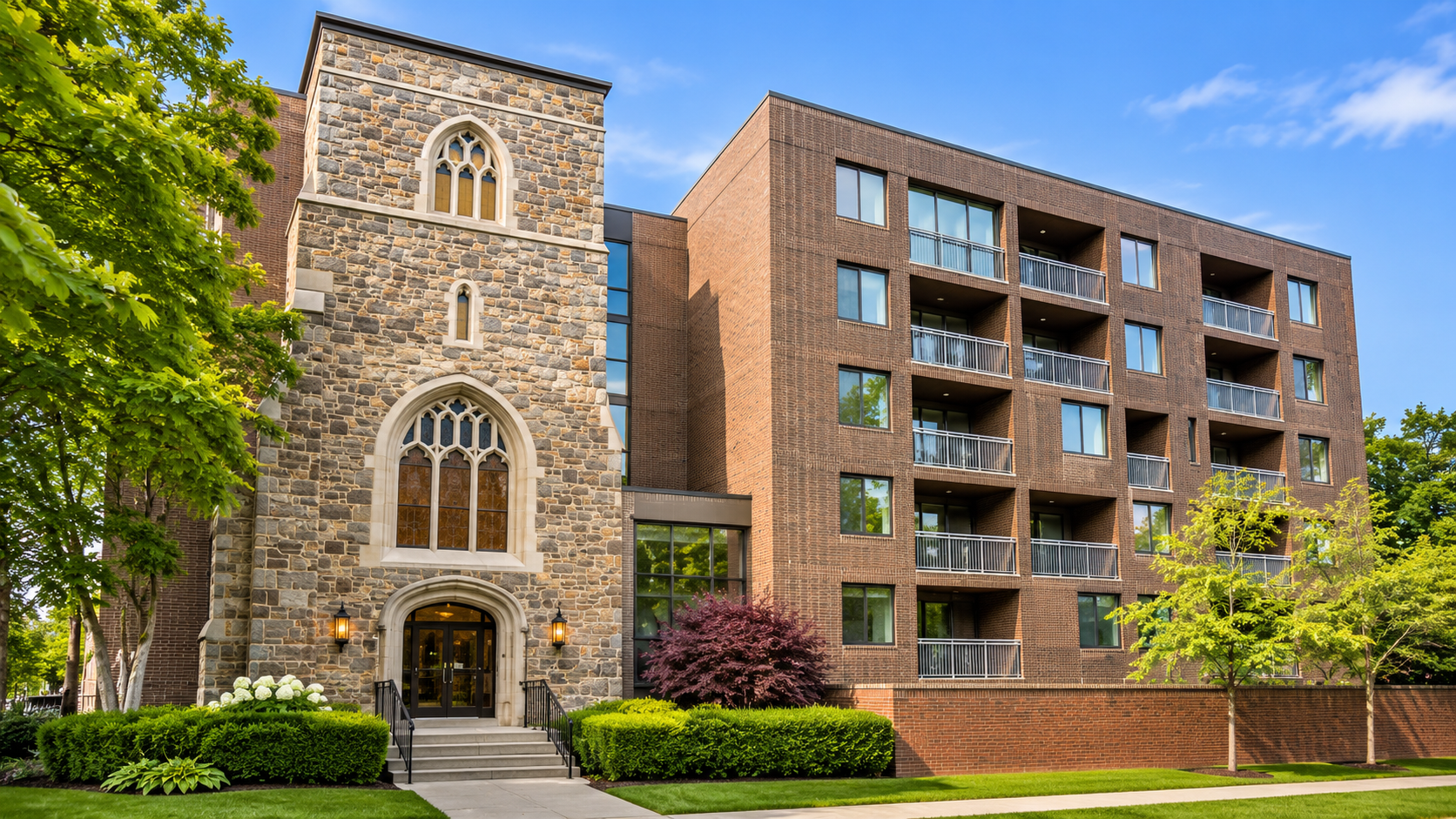
PowerBees conducted Mold Testing in a ground-level, one-bedroom condominium in Cambridge. The brick building was originally constructed in the 1890s and converted into condominiums during the 1980s. The property was being prepared for sale when home inspectors identified suspected mold behind the HVAC system inside a utility closet located off the foyer.
The inspection raised concerns about possible concealed microbial growth within the wall cavity and the potential impact on the surrounding indoor environment. PowerBees was contacted to perform a Mold Inspection, collect samples, and evaluate the conditions surrounding the HVAC equipment.
The utility closet contained a small HVAC unit positioned on wood blocking. An open grille within the closet door served as the system's air intake. Sections of the lower finished walls had previously been removed, exposing wall cavities, framing, and construction debris.
During the initial evaluation, minor aged water staining was observed on portions of the exposed framing, remaining sheetrock, and wood blocking. Gray discoloration consistent with possible microbial growth was also visible on sections of the sheetrock and debris within the exposed wall cavities. These conditions warranted further investigation through laboratory analysis.
Air Sampling and Moisture Evaluation
An important part of professional Mold Testing is evaluating both the physical conditions within a property and the surrounding indoor environment. Visual observations alone cannot identify the specific types of mold present or determine whether airborne mold spores are affecting nearby areas.
During the initial inspection, relative humidity in the foyer near the utility closet measured 54%, while the temperature was 67°F. A noticeable musty odor was not detected.
PowerBees performed a Moisture Evaluation using a Delmhorst moisture meter. Accessible surfaces were probed, including exposed building materials and areas surrounding the HVAC equipment. Moisture readings were within normal ranges at the time of testing. Although current moisture levels were normal, the aged water staining indicated that some materials had experienced moisture exposure in the past.
A tape lift surface sample was collected from the discolored sheetrock along the rear wall and exposed wall opening. Additionally, an indoor air sample was collected at the threshold between the foyer and utility closet to evaluate airborne mold conditions in the adjacent living area.
Air Sampling and surface sampling provide different types of information. Air samples evaluate airborne fungal spores, while surface samples help identify microbial growth on specific building materials. When appropriate, indoor air results can also be compared with outdoor reference samples to help evaluate whether indoor concentrations or fungal types differ from typical outdoor conditions. An outdoor comparison sample was not identified in this particular case.
Mold Testing Results and Laboratory Findings
Laboratory analysis provided objective information about the conditions within the condominium.
The initial air sample identified airborne Chaetomium in the hallway and utility closet area. The tape lift surface sample collected from the sheetrock behind the HVAC system identified Penicillium/Aspergillus and Cladosporium.
These findings confirmed the presence of mold on the sampled building materials and identified airborne Chaetomium in the sampled indoor environment. The combination of laboratory results and visible conditions supported the recommendation for professional remediation.
Because the HVAC equipment was positioned directly in front of the affected wall cavity, the remediation process required its removal to provide access to the concealed areas. Simply addressing the visible portions of the wall would not have provided adequate access to the affected materials behind the equipment.
The seller hired an independent, third-party remediation company to complete the recommended work. This separation between testing and remediation provided an independent evaluation of the conditions before and after the work was performed.
Post-Remediation Verification Testing Confirms Successful Results
Following completion of the remediation, PowerBees returned earlier this week to conduct Post Remediation Verification Testing (PRVT).
PRVT is performed to evaluate whether remediation has successfully addressed the identified mold conditions. This process includes additional visual assessment and air sampling to determine whether the indoor environment meets appropriate post-remediation criteria.
The verification testing confirmed normal indoor mold spore counts in the foyer and utility closet area. These results demonstrated that the remediation was successful and that the previously identified airborne mold concerns had been addressed.
With satisfactory PRVT results, the HVAC system can now be reinstalled. Cleaning the associated ductwork is also recommended before returning the system to normal operation.
This case demonstrates why testing before and after remediation is valuable. Initial sampling identified specific concerns, laboratory findings supported a targeted remediation plan, and independent verification testing documented the successful outcome.
Why Mold Testing Should Come Before Remediation
Not every discoloration, water stain, or suspected mold condition requires the same response. Dust, construction debris, staining, and microbial growth can sometimes appear similar during a visual inspection. Laboratory analysis helps distinguish between these conditions and provides information that cannot be established through appearance alone.
Professional Mold Testing can help property owners make informed decisions before committing to remediation expenses. Testing can identify the types of mold present, document airborne conditions, and help determine whether additional investigation or corrective work is appropriate.
Basement moisture concerns, concealed plumbing leaks, and previous water intrusion are common reasons for Indoor Air Quality testing. Bedrooms and other occupied spaces may also be evaluated when there are specific concerns about indoor air conditions. The appropriate sampling locations depend on the property's layout, reported concerns, and findings during the initial inspection.
For older properties, particularly those with previously renovated walls or concealed HVAC components, evaluating accessible building materials and surrounding air can provide useful information about potential moisture-related conditions.
Professional Mold Testing Standards and Certifications
PowerBees Incorporated is certified to conduct residential and commercial mold assessments and follows structured procedures when performing Mold Testing and Air Sampling. The company is AIHA certified through the American Industrial Hygiene Association, reflecting its professional focus on industrial hygiene and Indoor Air Quality practices.
PowerBees also maintains IICRC Applied Microbial Remediation certification. The Institute of Inspection, Cleaning and Restoration Certification establishes industry standards and training for restoration and remediation professionals.
Additionally, PowerBees is familiar with NADCA, the National Air Duct Cleaners Association. NADCA establishes industry standards and guidance for HVAC system inspection and cleaning, including practices intended to support proper duct system maintenance.
These professional standards help guide inspection procedures, sample collection, Mold Spore Analysis, and the evaluation of laboratory findings. Structured testing methods are important because reliable results depend on appropriate sampling locations, collection techniques, and interpretation of laboratory data.
Cambridge Housing and Indoor Air Quality Considerations
Cambridge was established in 1630 and incorporated as a city in 1846. Its housing stock includes historic brick buildings, older multifamily properties, and residential developments constructed during different periods of growth. Properties built before modern moisture-management and ventilation practices may have concealed areas where previous water intrusion or humidity accumulation can affect building materials.
The condominium discussed in this case study illustrates how conditions behind an HVAC system can remain concealed until renovations, inspections, or property transactions bring them to attention.
PowerBees provides professional Mold Testing in Cambridge, MA, helping homeowners, buyers, sellers, and property managers obtain objective information about indoor conditions. PowerBees also provides
Dryer Vent Cleaning in Cambridge, MA and surrounding communities including Somerville, Arlington, and Belmont. Additionally, PowerBees offers
Air Duct Cleaning in Cambridge, MA, helping property owners maintain clean and properly functioning HVAC systems. These services support improved building maintenance and Indoor Air Quality throughout the Greater Boston area.
When suspected mold, previous water damage, or unexplained discoloration raises concerns, professional testing is an important first step. PowerBees combines structured Mold Testing, laboratory analysis, and Post Remediation Verification Testing to help property owners identify concerns, evaluate remediation results, and make informed decisions about their Indoor Air Quality. For properties with HVAC-related concerns, PowerBees also provides Air Duct Cleaning in Cambridge, MA as part of its broader Indoor Air Quality services.