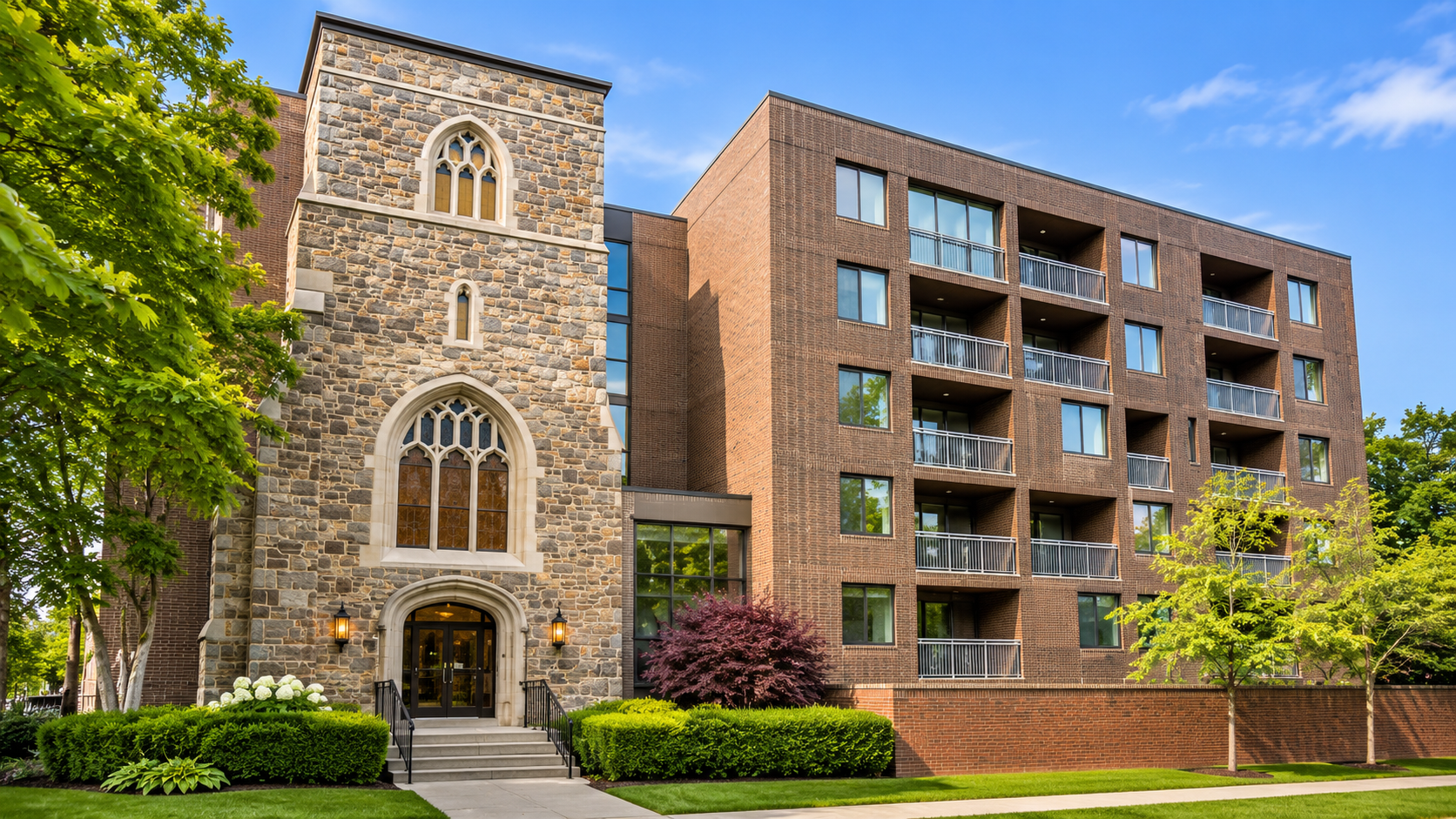

Mold Testing in Boston, MA: Evaluating Moisture Concerns in a Commercial Office Building
Professional Mold Testing and Air Sampling in a commercial office building in Boston, MA
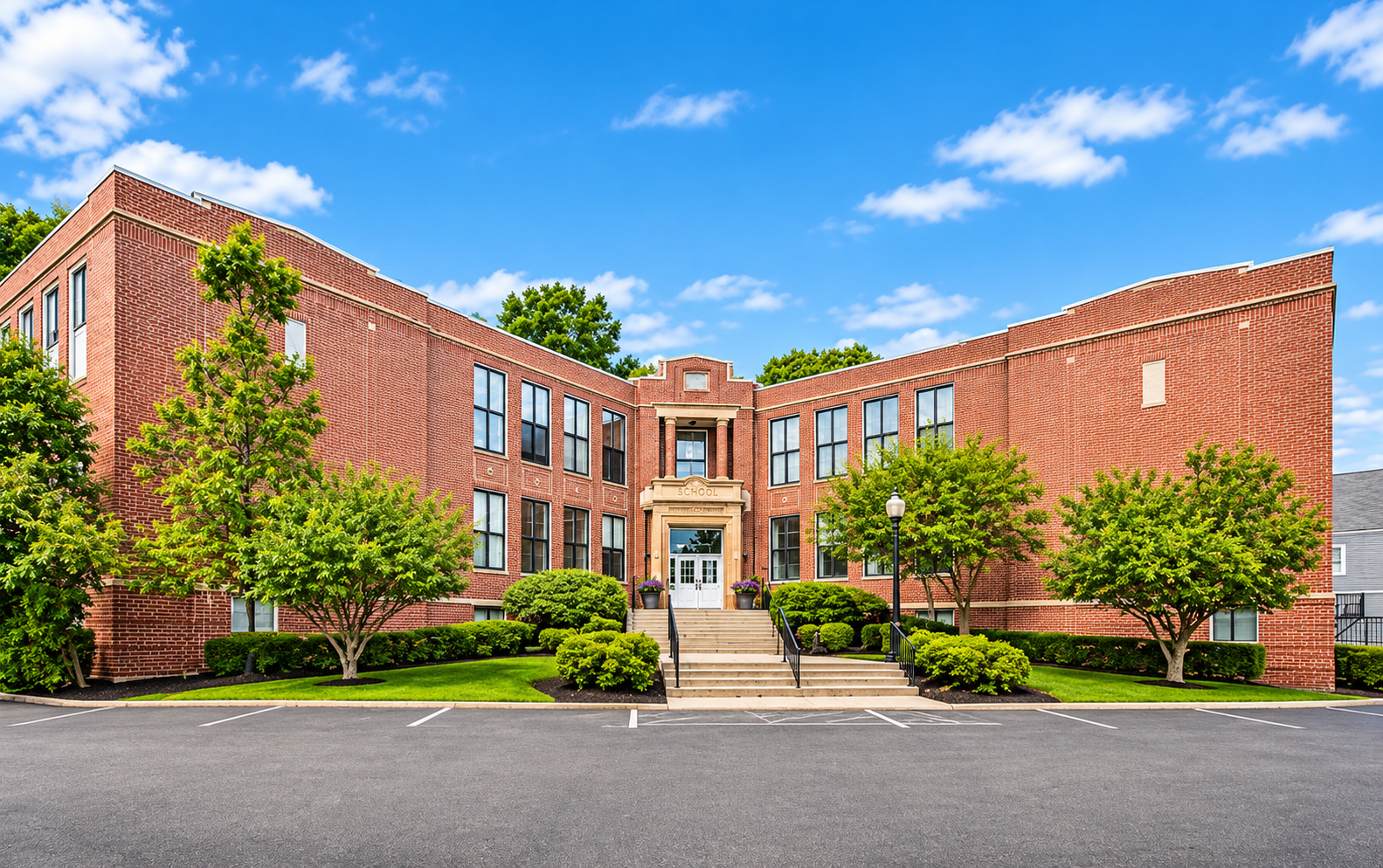
Mold Testing in Boston, MA is an important part of evaluating indoor environmental conditions in residential and commercial buildings, particularly properties with a history of water intrusion, plumbing leaks, or basement moisture. Moisture can accumulate within building materials following plumbing failures, sump pump problems, heavy rainfall, and seasonal snowmelt. When these conditions are not adequately addressed, they can contribute to environments that support microbial growth and may impact overall Indoor Air Quality. Professional mold testing provides objective information about airborne mold spore levels and helps property owners make informed decisions about additional investigation or corrective measures.
PowerBees Incorporated is a leading Indoor Air Quality company serving Massachusetts, specializing in
Mold Testing, Air Sampling, Air Duct Cleaning, and Dryer Vent Cleaning. Through structured inspection procedures and laboratory analysis, PowerBees helps residential and commercial property owners evaluate suspected mold-related concerns and identify appropriate next steps.
Recent Commercial Mold Testing Project in Boston, MA
PowerBees Incorporated recently conducted mold testing in a commercial building in Boston that was originally constructed in 1950. The client organization had leased a basement office suite within the two-level building since February 2023. The office space had undergone renovations and remained unoccupied for a period before the organization took occupancy.
The Director reported that staff members had previously noticed a sewage odor in the living room area, where a drain pit had been loosely covered with cardboard. The odor reportedly became more pronounced following a plumbing leak originating from a first-level bathroom. The plumbing issue was subsequently repaired, and in late October 2026, the drain pit was filled with sand and covered with a steel plate.
The building also had a history of water intrusion associated with sump pump failures during electrical power outages and periods of heavy rainfall. Additional minor plumbing leaks had reportedly affected several offices, bathrooms, and portions of the large workroom near the bathrooms. According to the Director, the landlord had arranged for the affected areas to be dried following the individual incidents.
Because of the history of moisture intrusion and the reported odors, the organization requested professional testing to evaluate the possibility of microbial growth and determine whether airborne mold spore levels were elevated within the occupied office environment. Several staff members had also reportedly experienced headaches while working in the basement office suite. These reports were documented as part of the client's concerns but were not used to establish a medical or environmental diagnosis.
Air Sampling and Moisture Evaluation
PowerBees collected thirteen non-viable air samples throughout the commercial office suite. The sampling strategy included multiple occupied areas and locations within the larger workroom to provide a broader assessment of airborne mold spore levels.
The first seven samples were collected in the living room, an office, the program director's office, the kitchen, the conference room, another office, and the storage office. Four additional samples were collected in different corners of the large workroom: near the storage room, sprinkler room, bathroom, and front hallway. A twelfth sample was collected from the center of the large room.
The thirteenth sample was collected outdoors to establish an environmental baseline for comparison with the indoor results.
Comparing indoor air samples with an outdoor reference sample is an important component of mold testing. Outdoor air naturally contains mold spores, and concentrations can vary depending on weather, seasonal conditions, vegetation, and other environmental factors. Evaluating indoor samples against the outdoor baseline helps determine whether indoor airborne spore concentrations are consistent with expected environmental conditions or indicate an unusual indoor concentration.
The office windows were closed on the day of testing. This condition was documented because ventilation and outdoor air exchange can influence indoor airborne particulate concentrations. Temperature, relative humidity, and specific moisture meter readings were not provided in the project information and therefore are not included in the findings.
Mold Testing Results and Findings in Boston, MA
Laboratory analysis of all thirteen non-viable air samples revealed normal levels of airborne mold spores in every sampled area. The indoor results did not indicate elevated airborne spore concentrations at the time of testing.
These findings provided objective information about the sampled office environment and addressed an important part of the client's concerns. However, normal airborne spore levels do not independently establish that all building materials are free of concealed microbial growth or that previous moisture problems have been completely resolved.
Air sampling represents conditions at a particular time and within the locations tested. Concealed materials, previously wet building components, and areas not directly sampled may require additional inspection if other evidence of moisture damage exists.
Based on the reported history, PowerBees provided several recommendations to address the building's maintenance and ventilation conditions. These included cleaning all accessible air ducts and the HVAC air handler, followed by appropriate treatment using an EPA-registered antimicrobial product. Contents and debris within the HVAC closet should be discarded, and the remaining surfaces should be HEPA vacuumed and treated with an appropriate EPA-registered antimicrobial.
Previously water-damaged walls should also be HEPA vacuumed, treated with an EPA-registered antimicrobial, and repaired as appropriate. The sump pump cover should be properly sealed to address the opening associated with the previous odor concern.
PowerBees additionally recommended installing a permanent, self-draining dehumidification system and operating it throughout the office area. HEPA-filtered air purifiers equipped with carbon filters may also help reduce airborne particulates, allergens, and odors.
These recommendations address building maintenance, moisture management, and ventilation concerns. They should not be interpreted as evidence of elevated airborne mold spore levels, which were not identified by the laboratory results.
Understanding Basement Moisture and Indoor Air Quality
Basement environments can present particular moisture management challenges because portions of the building are below grade and may be exposed to groundwater, foundation seepage, plumbing failures, and elevated humidity. In commercial properties, sump pumps are frequently used to manage water accumulation and help protect below-grade spaces.
When a sump pump fails during a power outage or periods of heavy rainfall, water may enter areas that contain porous materials such as drywall, carpeting, insulation, and other building components. Even when visible water is removed and surfaces are dried, previously affected materials may require further evaluation.
Drain pits and other openings should also be properly covered and maintained. In the Boston project, the reported sewage odor associated with the loosely covered drain pit became more noticeable following a plumbing leak. Properly sealing the opening was therefore an important maintenance recommendation.
Indoor Air Quality is influenced by several interacting factors, including moisture conditions, ventilation, filtration, building materials, and the movement of airborne particulates. HVAC systems can circulate airborne particles throughout occupied areas, particularly when ductwork or equipment contains accumulated debris.
Professional Mold Inspection and air sampling can help property owners distinguish between reported concerns, observable building conditions, and laboratory-supported findings.
Mold Testing Before Remediation
Testing before remediation is an important step when property owners suspect mold-related concerns but do not yet have sufficient information to determine the appropriate response.
Not every reported odor, previous leak, or history of water intrusion indicates elevated airborne mold spore concentrations. Likewise, normal sampling results do not eliminate the need to address known moisture problems or repair damaged building materials.
Professional air sampling provides documented results that can help guide decisions about further investigation, cleaning, repairs, and moisture control. This approach can help prevent unnecessary remediation expenses when laboratory findings do not support that course of action.
In the Boston commercial property, the thirteen samples provided evidence that airborne mold spore levels were normal throughout the sampled areas. The recommendations therefore focused on addressing the documented maintenance concerns and improving the building's moisture management and ventilation conditions.
Professional Mold Testing and Industry Standards
PowerBees Incorporated provides structured residential and commercial mold assessments using professional inspection and air sampling procedures. The company is AIHA certified through the American Industrial Hygiene Association and holds IICRC Applied Microbial Remediation certification.
The Institute of Inspection, Cleaning and Restoration Certification (IICRC) develops industry standards and provides training for inspection, cleaning, and restoration professionals. Its Applied Microbial Remediation certification relates to professional practices for addressing microbial contamination in buildings.
The National Air Duct Cleaners Association (NADCA) is an industry association representing professionals involved in HVAC inspection, cleaning, and restoration. NADCA publishes standards and technical guidance for evaluating and cleaning HVAC systems.
These professional frameworks reinforce the importance of organized procedures, appropriate equipment, accurate documentation, and responsible interpretation of environmental findings. PowerBees applies structured Mold Spore Analysis and Air Sampling methods to help clients better understand their indoor environmental conditions.
Boston's Building History and Indoor Air Quality Considerations
Boston was established in 1630 and incorporated as a city in 1822. Its building stock includes historic commercial properties, nineteenth-century structures, early twentieth-century buildings, and newer construction. Many older commercial buildings have undergone renovations and changes in occupancy over multiple decades. Basement offices and below-grade commercial spaces may have different moisture management requirements depending on their foundation construction, plumbing infrastructure, drainage systems, and ventilation configurations. These characteristics make property-specific environmental evaluations particularly important when previous water intrusion has been reported.
Professional Mold Testing in Boston, MA
Understanding indoor environmental conditions begins with accurate testing, appropriate documentation, and an evaluation of the building's history. Professional air sampling can help identify whether airborne mold spore levels are elevated while providing information that supports informed maintenance and remediation decisions.
PowerBees Incorporated provides professional Mold Testing in Boston, MA, for commercial and residential properties with concerns involving water intrusion, persistent odors, previous leaks, and potential moisture-related building conditions. From older commercial buildings with basement office suites to renovated residential properties, PowerBees emphasizes objective testing, professional evaluation, and practical recommendations.
PowerBees also provides professional
Air Duct Cleaning in Boston, MA, helping maintain clean HVAC systems and support proper airflow throughout residential and commercial properties. Additionally, PowerBees offers professional
Dryer Vent Cleaning in Boston, MA, helping remove lint buildup, improve dryer efficiency, and maintain properly functioning residential and commercial dryer exhaust systems.
When previous water intrusion, persistent odors, or suspected moisture-related concerns warrant further evaluation, professional testing can provide valuable information before remediation decisions are made. PowerBees Incorporated delivers professional commercial and residential mold testing throughout Boston, MA, with an emphasis on reliable air sampling, laboratory-supported findings, and practical recommendations that help property owners make informed decisions about their indoor environments.